Dental Crowns Oxnard CA for Long-Lasting Smile Protection
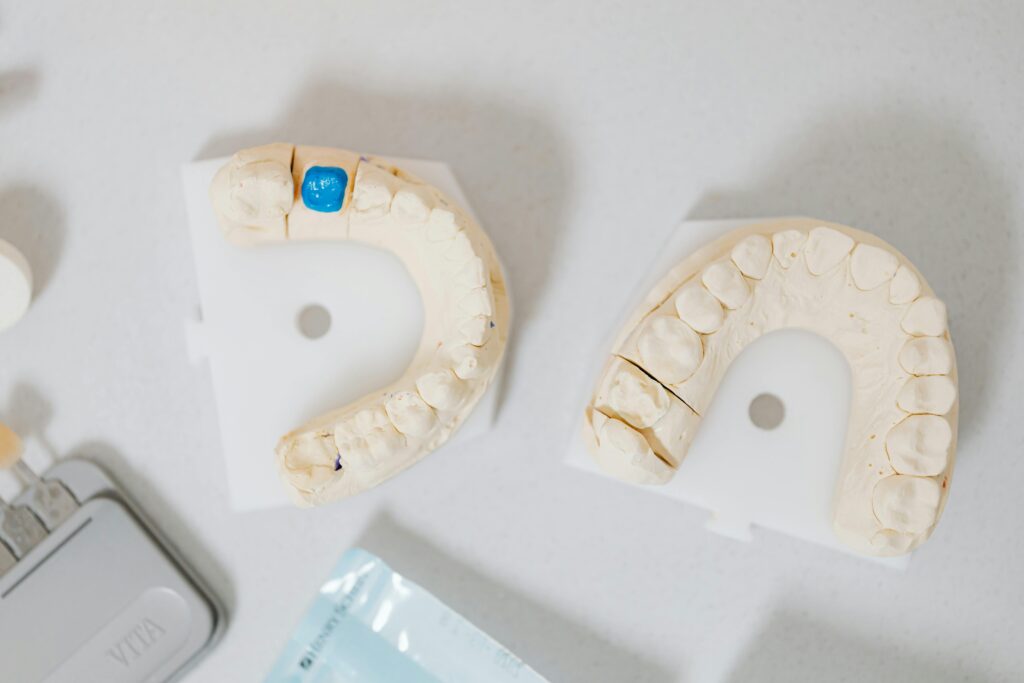
A healthy smile is not only about appearance. It is about function, comfort, speech, and the ability to eat without thinking twice about every bite. When a tooth is weakened by a large cavity, a fracture, heavy wear, or a root canal, restoring it properly matters. In many of these cases, a dental crown is the restoration that gives the tooth its best chance at staying stable for years.
Patients looking into Dental Crowns Oxnard CA often begin with one straightforward question: will a crown actually save my tooth, or is it just a cosmetic fix? The answer is usually reassuring. A well-made crown does much more than improve how a tooth looks. It covers and reinforces damaged tooth structure, distributes biting pressure more evenly, and helps prevent small problems from becoming expensive ones.
Crowns are common, but they are not one-size-fits-all treatment. The material matters. The amount of remaining tooth matters. Your bite matters. Even habits like nighttime grinding, chewing ice, or clenching during stressful workdays can change what kind of crown makes sense. When treatment is planned carefully, a crown can feel natural, blend into the smile, and hold up impressively well under daily use.
When a tooth needs more than a filling
Most people would prefer the simplest treatment possible. If a filling can solve the problem, that is usually the better route. The trouble starts when a tooth has lost too much structure for a filling to do the job safely. A filling sits inside the tooth. A crown covers the tooth, or most of it, and acts more like a protective shell.
A typical example is a molar with an old silver filling that has been in place for twenty years or more. Over time, that tooth may develop cracks around the edges, or recurrent decay underneath the filling. It may not hurt much at first. Many damaged teeth remain surprisingly quiet until they split enough to cause sharp pain when chewing. By that point, the choice may no longer be between a filling and a crown. It may be between a crown and an extraction.
Teeth that have had root canal therapy are another common case. Once the nerve is removed, the tooth can continue to function well, but it is often more brittle than before. Back teeth in particular take strong chewing forces every day. A crown helps protect that remaining structure and reduces the chance of a catastrophic fracture.
There are also cosmetic and shape-related reasons for crowns. A tooth that is severely discolored, misshapen, or worn down may be restored with a crown when bonding or veneers would not provide enough durability. The key is judgment. Good dentistry is not about placing crowns whenever possible. It is about using them when they are genuinely the right tool.
What a crown actually does
People often picture a crown as a cap that simply sits on top of the tooth. That image is not entirely wrong, but it misses how much precision is involved. A crown is custom designed to fit over a prepared tooth, meet the neighboring teeth properly, and contact the opposing teeth in a way that supports your bite rather than disrupting it.
When it is done well, a crown restores several things at once. It rebuilds shape, so food does not pack into open spaces. It restores strength, so chewing does not flex weak tooth walls. It restores contour near the gumline, which makes the area easier to clean. It can also improve appearance dramatically, especially in visible areas where color and translucency matter.
The result should not feel bulky or foreign. A patient may notice the crown for a few days, just because it is new, but it should soon feel like part of the tooth. If a crown continues to feel high, catches floss badly, or traps food constantly, something needs to be adjusted.
Materials matter more than many patients realize
Not all crowns are made from the same material, and this is one of the most important discussions to have before treatment. In general, the right choice depends on the location of the tooth, the space available, cosmetic expectations, bite force, and habits like grinding.
Porcelain and ceramic crowns are popular because they can look very natural. They are often an excellent choice for front teeth and many premolars, where appearance matters and light can pass through the restoration in a lifelike way. Modern ceramics have become stronger than earlier generations, but beauty should never be considered in isolation. In a patient with intense clenching, a highly aesthetic material may not always be the smartest choice for a heavy-load molar.
Zirconia crowns have earned a strong reputation for durability. They are frequently chosen for back teeth because they can withstand significant chewing forces. Depending on the specific type of zirconia, they can also look quite good, though the most cosmetic ceramics may still have an edge for highly visible front teeth.
Porcelain-fused-to-metal crowns remain in use as well. They have a metal substructure with porcelain layered on top. They can perform well, particularly in certain clinical situations, though some patients prefer all-ceramic options for esthetic reasons or to avoid a dark line near the gums as tissue changes over time.
Gold or high noble Dental Crowns Oxnard CA metal crowns are less common today than they once were, largely because many patients prefer tooth-colored restorations. From a functional standpoint, however, they have long been respected. They can be gentle on opposing teeth, extremely durable, and remarkably kind to the gum tissue when precisely made. Experienced dentists still appreciate them, especially for out-of-sight molars in patients who care more about longevity than color.
The process, from first visit to final fit
One reason patients delay treatment is that crowns sound involved. In reality, the process is usually straightforward. There are nuances, of course, but most crown appointments follow a predictable sequence.
First comes the evaluation. That includes an exam, X-rays when needed, and a discussion about symptoms. A tooth with lingering cold sensitivity, pain on release when biting, or a visible crack may need more than just a crown. In some cases, the tooth needs root canal therapy before it can be restored. In other cases, the crack extends too far below the gumline, making the tooth a poor candidate for long-term success. This is where careful diagnosis earns its keep.
Once a crown is determined to be appropriate, the tooth is shaped so the final restoration will have room and a defined path of placement. If there is significant loss of tooth structure, the dentist may place a build-up first. Impressions or digital scans are then taken so the crown can be fabricated to fit that specific tooth and bite.
A temporary crown is often worn while the final one is being made, unless same-day technology is available and suitable for the case. Temporaries do an important job. They protect the prepared tooth, preserve spacing, and give a preview of comfort and contour. They are not as strong as final crowns, which is why patients are usually advised to avoid sticky foods or chewing hard items on that side.
At the delivery visit, the final crown is tried in and evaluated. Fit at the margins, contact with adjacent teeth, bite, shape, and shade all need attention. A good cementation appointment is not rushed. Tiny adjustments can make the difference between a crown that disappears into the smile and one that nags the patient for months.
How long do crowns last in real life
Patients usually ask for a number, and dentists understandably hesitate to promise one. Crowns can last a very long time, but lifespan depends on more than the crown itself. A beautifully made restoration can still fail early if the tooth underneath develops decay, if the patient grinds heavily without a night guard, or if oral hygiene is neglected.
In everyday practice, many crowns function well for ten to fifteen years, and plenty last much longer. Some fail sooner, especially on teeth that were already compromised, had limited remaining structure, or sat in a high-stress bite. The crown material matters, but maintenance habits often matter just as much.
One of the most overlooked reasons crowns fail is not dramatic breakage. It is recurrent decay at the margins. A crown does not make a tooth immune to cavities. The edge where crown meets tooth still needs careful brushing and flossing. Patients are sometimes surprised by this because the word "crown" sounds permanent. It is durable, not invincible.
The small warning signs that should not be ignored
Crowns rarely fail without giving some hint. The signs can be subtle, especially early on. Mild sensitivity at the gumline, a change in how the tooth feels when biting, food catching between the crown and a neighboring tooth, or a rough edge near the margin can all point to a problem that deserves attention.
A crown that feels loose is an obvious red flag. So is a crown that chips, cracks, or develops a visible dark line where it meets the natural tooth. Sometimes the issue is the crown itself. Other times the crown is fine, but the supporting tooth has changed. Gum recession can expose a margin. Decay can sneak in under an old edge. A root fracture can mimic crown trouble even when the restoration is intact.
Patients who come in promptly often have more options. A bite adjustment, a small repair, or recementation may solve the issue before deeper damage sets in. Waiting six months with an unstable crown usually makes the next appointment more complicated than it needed to be.
Why bite forces and grinding change the conversation
There is a major difference between a patient who bites evenly and one who clenches through the night. Two people can receive crowns on similar teeth and have very different outcomes because their bite forces are not remotely the same.
Dentists see this often in patients who wake with sore jaw muscles, have flattened tooth edges, or notice tiny fractures in older restorations. These patients may need stronger crown materials, a more protective bite design, or a custom night guard after treatment. Skipping that part can be a costly mistake. It is not unusual for a crown to survive beautifully while the opposing tooth wears down, or for a crown to chip because the bite was never properly balanced.
This is one reason a comprehensive exam matters more than patients might expect. The damaged tooth is only part of the story. The surrounding teeth, the jaw joints, the wear pattern, and the patient’s habits often explain why the tooth broke in the first place.
What patients in Oxnard often want to know before saying yes
People rarely ask only about the tooth. They ask practical questions. Will it look natural? How many visits will it take? Can I work the next day? Will insurance help? These are reasonable concerns, and they deserve direct answers.
For most patients, recovery after crown preparation is easy. The area may feel slightly sore from keeping the mouth open or from local anesthetic wearing off, but many people go right back to work. Temporary sensitivity can happen, especially to cold, though it is usually manageable and short-lived. Once the final crown is cemented and the bite feels right, daily life tends to return to normal quickly.
Appearance depends on communication and case planning. Matching a single front tooth can be highly technique-sensitive. Matching a back molar is usually simpler because it is less visible. Patients who care deeply about shade should say so early. Photos, shade mapping, and laboratory communication make a real difference in esthetic cases.
Cost is another honest part of the discussion. Crowns are more expensive than fillings because they require more tooth-specific design, laboratory work or milling, multiple clinical steps, and precise fitting. That said, replacing one badly fractured tooth is often far less costly, financially and biologically, than extracting it and moving into bridge or implant treatment later.
Situations where a crown may not be the best answer
A crown is a powerful restoration, but there are times when another option makes more sense. If the tooth has very little healthy structure left above the gumline, a crown may not have enough reliable support. If the crack extends too deep into the root, saving the tooth may not be predictable. If decay has progressed below the level that can be restored cleanly, treatment becomes more complex.
There are also milder cases where a crown would be excessive. A small cavity or minor chip does not automatically justify full coverage. Conservative dentistry still matters. Onlays, inlays, bonding, or replacing an existing filling may preserve more natural tooth when conditions allow.
That balance is what patients should look for when searching for care related to Dental Crowns Oxnard CA. The best recommendation is not always the biggest procedure. It is the one that fits the tooth, the bite, and the likely future of that tooth.
Caring for a crown so it actually lasts
Once a crown is placed, maintenance becomes the long game. The daily routine is not complicated, but consistency matters. Patients sometimes assume a crowned tooth needs less attention because it has been "fixed." In truth, it often needs more respect.
A few habits make the biggest difference:
- Brush thoroughly along the gumline twice a day.
- Clean between the teeth every day, especially around the crowned tooth.
- Avoid chewing ice, hard candy, or using teeth as tools.
- Wear a night guard if clenching or grinding is part of the picture.
- Keep regular exams and cleanings so small margin issues are caught early.
None of those steps are glamorous. They are simply what helps good dental work stay good.
The value of timing
A crown placed at the right time is often far more conservative than a crown placed too late. That may sound backward, but it is true. When a tooth is restored before a crack deepens or decay spreads, more healthy structure can usually be preserved. Delay tends to shrink the set of workable options.
Consider the common sequence with a heavily filled molar. First, a cusp develops a hairline crack. The patient notices brief pain when chewing granola or nuts, then it fades. Months later, a chunk breaks off, usually at dinner or on a weekend. What might have been a straightforward crown becomes a build-up, a possible root canal, and sometimes a much more guarded prognosis. The restoration is still possible, but the tooth has paid a biological price for the wait.
That is why dentists tend to sound repetitive about cracked teeth. They have seen how quickly a manageable problem can turn into an urgent one.
Choosing a provider for Dental Crowns Oxnard CA
Patients usually know how to shop for convenience. Finding the right crown provider requires a little more than looking for the nearest office. Skill in crown work is not only about placing the restoration. It is about diagnosis, preparation design, material selection, bite management, and follow-through if adjustments are needed.
A useful consultation should feel specific, not generic. The dentist should explain why the crown is recommended, what alternatives exist, what material is being considered, and what risks are worth knowing about. If a tooth may need root canal therapy, or if a fracture makes the outlook uncertain, that should be said clearly. Honest dentistry is rarely the most dramatic. It is usually the most precise.
Digital scanning, same-day milling, and modern ceramics have improved convenience and consistency in many practices. Those tools can be excellent, but technology alone is not the deciding factor. The real measure is whether the crown fits well, functions comfortably, and serves the tooth over time.
A restoration that protects more than a smile
Crowns are often discussed as if they are mainly cosmetic, but their deeper value is protective. They help preserve chewing ability, maintain alignment, support comfort, and extend the life of teeth that would otherwise remain vulnerable. When treatment is chosen thoughtfully and maintained properly, a crown can be one of the most effective investments in long-term oral health.
For patients exploring Dental Crowns Oxnard CA, the best next step is a careful exam, not a rushed decision. One tooth can tell a very different story from the next. Sometimes the goal is to save a root canal tooth. Sometimes it is to reinforce a cracked molar before it splits. Sometimes it is to restore a front tooth so naturally that no one notices dental work at all.
Done well, a crown should protect the tooth quietly in the background, letting you eat, speak, and smile without giving it much thought. That is usually the mark of successful dentistry. Not flash, not hype, just durable function and a smile that feels like your own.
Omni Dental Specialty
1690 E Gonzales Rd
Oxnard, CA 93036, United States
Phone: +1 805-410-9603
FAQ About Dental Crowns Oxnard CA
What is the average cost of a crown in California?
The fee depends on the crown material, tooth condition and any additional treatment. Request an itemized estimate from Omni Dental Specialty after an examination, and confirm insurance benefits before scheduling.
How long do dental crowns last?
Longevity varies with the material, fit, oral hygiene and biting habits. Regular dental reviews help identify wear, damage or decay. A crown does not need replacement solely because it reaches a particular age.
Do teeth go bad under crowns?
Decay can develop in the remaining natural tooth, particularly near the crown margin. Brush with fluoride toothpaste, clean between teeth daily and keep dental appointments. Report new pain or looseness promptly.
Which crown is best for bruxism?
No material suits everyone. Your dentist assesses grinding, tooth position, bite forces and appearance before recommending a crown. A protective appliance may also be recommended to manage stress on the restoration.