Dental Crowns vs Fillings: Which Option Is Better?

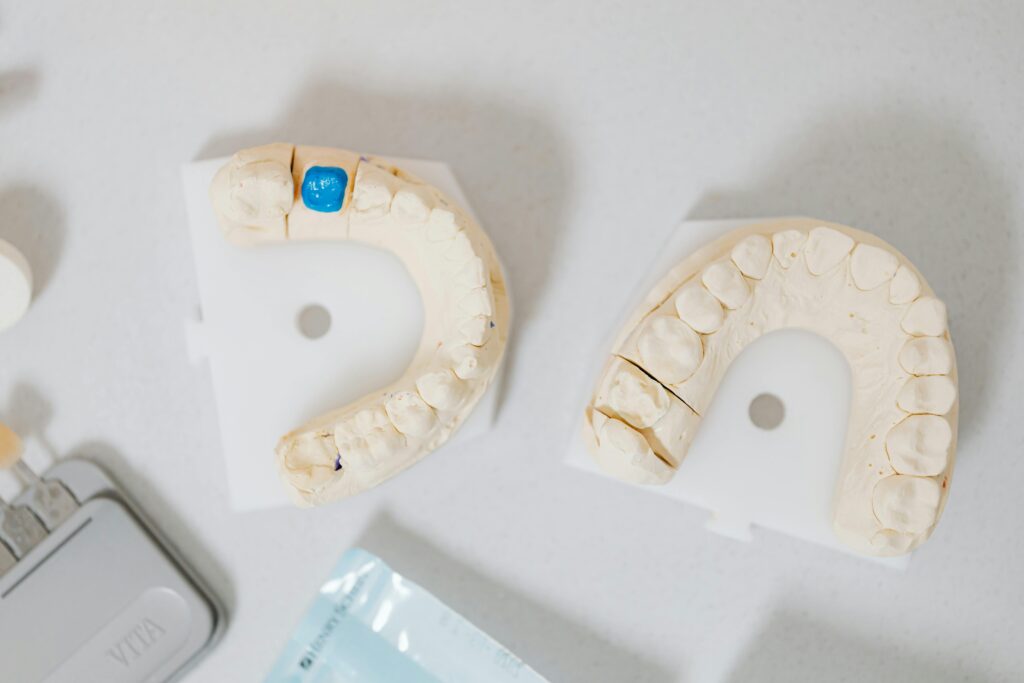
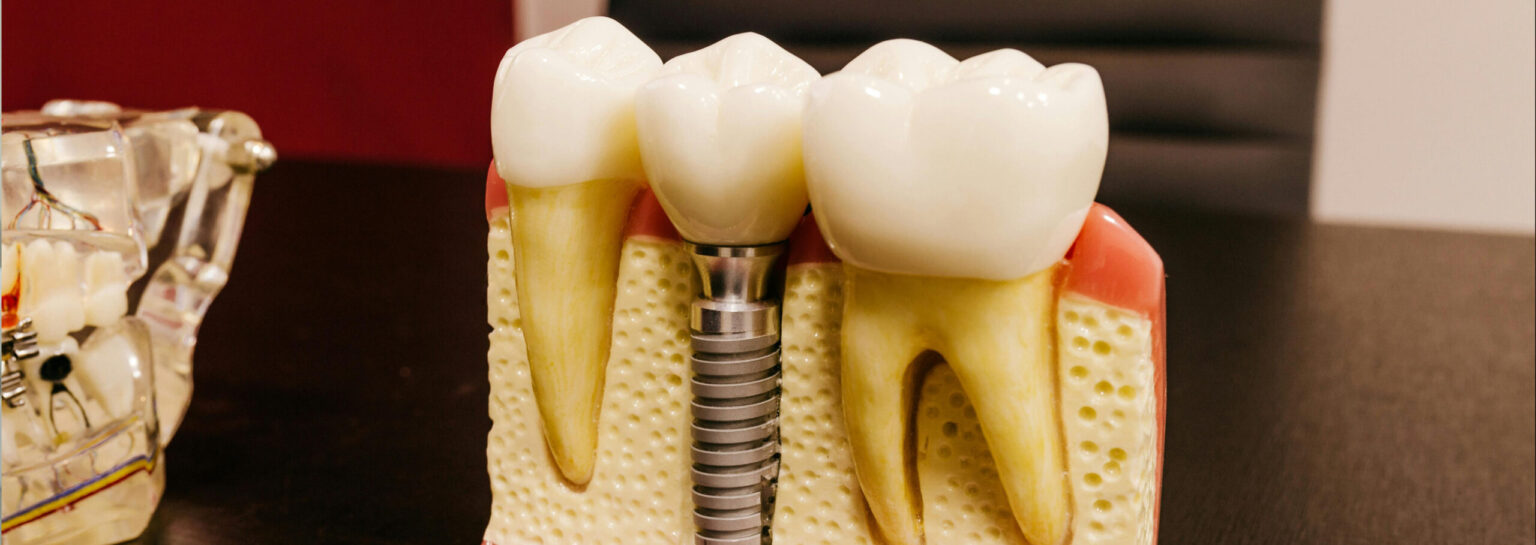
When a tooth is damaged, the question rarely feels academic. It usually shows up as a cracked molar after biting into something hard, a filling that fell out on a Friday evening, or a sharp zing from a back tooth that has been quietly deteriorating for months. At that point, most people want a simple answer. Should this tooth get a filling, or does it need a crown?
The honest answer is that both treatments are useful, and neither is automatically better. The right option depends on how much healthy tooth remains, where the tooth sits in the mouth, how much force it absorbs when you chew, whether there has already been dental work on it, and what you need from the repair over the next five to fifteen years.
A filling is designed to repair a smaller area of damage. A crown is built to cover and protect a tooth that has lost more structure or needs reinforcement. Those broad definitions are easy enough. The real decisions happen in the gray areas, where a tooth is not pristine but not completely broken down either. That is where clinical judgment matters, and it is also where patients often feel uncertain.
What each option actually does
A filling restores the part of the tooth damaged by decay, wear, or a small fracture. The dentist removes the compromised material, cleans the area, and places a restorative material, often a tooth-colored composite resin. When it is done well and used in the right situation, a filling can be conservative, attractive, and cost-effective. It preserves more natural tooth structure than a crown, which is one of its biggest advantages.
A crown, by contrast, covers the visible portion of the tooth above the gumline. Dental Crowns are typically recommended when the tooth is too weak, too heavily restored, or too broken down for a filling to predictably last. A crown does not merely patch a spot. It redistributes chewing forces across the tooth and can help prevent further fracture in a vulnerable tooth.
That difference matters. If a cavity is modest and the surrounding tooth is strong, a filling often makes perfect sense. If the tooth has lost a large amount of structure, especially in the cusps of a molar, a filling may hold for a while but still leave the tooth at risk of cracking under pressure.
Why size alone does not tell the whole story
Patients often assume that the bigger restoration must always be the better one, because it sounds stronger. That is not how restorative dentistry works. More treatment is not inherently better treatment.
A small to medium cavity in a front tooth is often best handled with a filling, not a crown. The same may be true for a premolar with a small area of recurrent decay under an old filling. If the tooth walls are still thick and solid, preserving that tooth structure is often the smarter long-term choice.
On the other hand, a molar with a large old silver filling, thin surrounding cusps, and a visible crack line may technically be repairable with another filling, but it is often a risky compromise. Those are the cases where people sometimes hear, “It was fine until it Dental Crowns wasn’t.” A tooth can function for months with a large filling, then fracture suddenly during an ordinary meal.
The key issue is not only how much decay is present today. It is how the tooth will behave under real chewing forces tomorrow.
The role of tooth location
Where the tooth sits in your mouth influences the recommendation more than many people realize.
Front teeth generally experience less vertical chewing pressure than molars. They matter enormously for appearance, speech, and biting into food, but they are not typically bearing the same crushing force as back teeth. That means smaller defects in front teeth are often excellent candidates for fillings.
Molars are different. They absorb the heavy repetitive load of chewing, grinding, and clenching. When a molar loses a significant portion of its top surface or one or more cusps become undermined, the chance of fracture rises. In those cases, Dental Crowns often provide a level of protection that a filling cannot reliably match.
Premolars sit somewhere in between. They face a fair amount of force, and they are shaped in a way that can make them vulnerable when large restorations remove too much supporting tooth. A premolar with a tiny cavity may need only a filling. A premolar with a root canal and multiple missing walls often does much better with a crown.
When a filling is usually the better option
There are plenty of situations where a filling is the more sensible treatment, both clinically and financially. If the decay or damage is limited and enough sound enamel and dentin remain, a filling is often the most conservative route.
A well-placed composite filling can blend beautifully with natural tooth structure. It also usually requires less drilling than a crown, which appeals to patients who want to preserve as much of their original tooth as possible. In many cases, the appointment is shorter and the fee is lower than for a crown.
A filling is commonly preferred when:
- the cavity is small to moderate
- the tooth has not lost major cusps or walls
- there are no significant cracks suggesting structural weakness
- the tooth is not already heavily restored
- the patient has good bite stability and low fracture risk
Even within that list, context matters. A moderate filling in a person who grinds heavily at night may fail earlier than the same filling in someone with a gentler bite. Material choice also matters. Composite resin is versatile and esthetic, but it behaves differently from older amalgam restorations and from indirect ceramic restorations.
When a crown is usually the stronger choice
A crown is often recommended when a tooth needs more than a patch. It becomes the better option when the remaining tooth structure cannot be trusted to hold up under function, even if a filling could technically be placed.
One classic example is the tooth that has already had root canal treatment. Once a tooth loses internal tooth structure from decay, access preparation, and previous restorations, it can become more brittle in practical terms, especially in the back of the mouth. A crown often helps those teeth survive chewing forces that might otherwise split them.
Another common situation is a cracked tooth. Not every crack means a crown, but a tooth with pain on release when chewing, a visible fracture line, or a history of repeated filling breakdown often needs full cuspal coverage. A large replacement filling may simply recreate the same problem.
Dentists also recommend crowns when old restorations have become too extensive. A tooth that has been patched several times can reach a point where there is more filling than natural tooth. At that stage, replacing one more segment may not be the most durable choice.
The hidden cost of “just one more filling”
Many patients understandably hope to avoid a crown if a filling seems possible. Sometimes that instinct is correct. Sometimes it becomes expensive in a slower, less obvious way.
A heavily restored tooth may accept another filling today and then fracture six months later. If the break is minor, the tooth may still be salvageable with a crown. If the fracture extends below the gumline or into the root, the tooth may become non-restorable and need extraction. Then the discussion shifts to an implant, bridge, or partial denture, all of which are usually much more involved and costly than the original crown would have been.
This does not mean every large filling is a mistake. It means the cheapest immediate option is not always the least expensive long-term option. Dentistry has many moments like that. A conservative repair can be wise when the tooth is stable. It can also be a false economy when the remaining structure is already failing.
How dentists weigh the decision in real practice
From the patient chair, it can seem as if a dentist is making a quick call. In reality, there are several factors being weighed at once. The amount of decay is just one of them. The shape of the cavity matters. So does the thickness of the remaining enamel walls, the presence or absence of cracks, whether the tooth is vital or root canal treated, and how the upper and lower teeth meet.
A dentist also considers whether the margin of the restoration can be kept clean and dry, especially near the gumline. Some defects are technically difficult to fill predictably because of moisture control or access. In those cases, an indirect restoration such as a crown may offer a better seal and contour.
History matters too. If a tooth has had the same filling replaced several times, that pattern says something. Repeated breakdown may point to bite stress, hidden fracture, or simply a restoration that has reached its practical limit.
Patients sometimes ask whether a large filling can be used “for now” and a crown done later. That can be reasonable in selected cases, especially when finances are tight. But it should be understood as a compromise, not always as a plan with equal prognosis.
What about durability?
No dental restoration lasts forever. That is one of the most important realities to keep in mind. The question is not whether a filling or a crown is permanent. The question is which option gives the tooth the best chance of staying functional and comfortable for a meaningful period of time.
Fillings can last many years, especially smaller ones in low-stress areas. Some do well for a decade or longer. Others need replacement much sooner because of recurrent decay, wear, marginal leakage, or fracture. Longevity depends on the size of the filling, the material used, oral hygiene, diet, clenching habits, and how the tooth is loaded.
Dental Crowns also vary in lifespan. A well-made crown on a tooth with good gum support and a stable bite may serve for ten to fifteen years or more. Some fail earlier because of decay at the margin, cement washout, porcelain fracture, or problems with the underlying tooth. A crown is not armor plating. It reduces certain risks, especially cusp fracture, but it does not make a tooth invincible.
The cosmetic side of the equation
For visible teeth, appearance can influence treatment choice. Composite fillings can be extremely lifelike in the right hands. Small chips, cavities, and contour corrections on front teeth are often managed beautifully this way. A filling also gives the dentist more ability to preserve intact enamel, which is valuable esthetically.
Crowns can look excellent too, particularly modern all-ceramic crowns. They are often chosen when a front tooth is badly broken, discolored, or structurally compromised. Still, placing a crown generally means reshaping more of the tooth. That trade-off may be worth it if the tooth genuinely needs full coverage, but less so if a conservative bonded restoration would suffice.
For back teeth, appearance is usually a secondary issue, though many patients strongly prefer tooth-colored options. Both composite fillings and ceramic crowns can meet that preference. The stronger determinant remains structural need.
Cost matters, and it should be discussed plainly
A crown usually costs significantly more than a filling. That is not surprising. It often involves more chair time, more laboratory or fabrication work, and a more complex procedure overall. Depending on location, materials, and insurance, the difference can be substantial.
But fee alone should not steer the choice. The meaningful question is value, not just upfront price. A smaller, less expensive restoration that fails quickly or allows the tooth to fracture may end up costing more. At the same time, recommending a crown for every moderate cavity would be overtreatment.
The best treatment plan respects both biology and budget. In good dentistry, those two are discussed together. A patient deserves to know not only what is possible, but what is predictable, what is conservative, and what risks are being accepted if a less extensive option is chosen.
Cases that tend to confuse people
Some of the hardest decisions involve teeth that are borderline. Here are a few common examples.
A molar with a large old filling but no pain may still need a crown if the surrounding cusps are thin and undermined. The absence of pain does not always mean the tooth is strong.
A tooth after root canal treatment may feel completely fine, yet still benefit from a crown because the concern is fracture resistance, not current discomfort.
A cracked tooth may have symptoms that come and go. Patients often wait because the pain is inconsistent. Unfortunately, cracks can worsen over time, and waiting can narrow the treatment options.
A cavity under an old crown does not automatically mean the crown must be replaced, but in many cases replacement is the best route if the decay affects the margin or the fit.
Questions worth asking before you decide
Patients do better when they understand the reasoning behind a recommendation. A good dental conversation should feel specific, not scripted. If you are unsure whether a filling or crown is right, ask the dentist to show you the tooth on an X-ray or intraoral photo, explain how much natural structure remains, and describe what might happen with each option.
A few questions are particularly useful:
- How much healthy tooth is left, and are any cusps at risk of breaking?
- Is there a crack, or is this mainly decay?
- Would you make the same recommendation if this were your own tooth?
- If I choose a filling now, what is the realistic downside?
- Is this a tooth that has a history of repeated repair?
That third question often cuts through the noise. Most experienced dentists can explain not just what they can do, but what they would personally trust.
Fillings, crowns, and the importance of bite habits
No discussion of restorative choices is complete without mentioning clenching and grinding. Bruxism quietly changes the math. A restoration that performs well in one patient may fail much faster in another simply because of night grinding or daytime jaw tension.
People who wear through retainers, chip enamel, wake with sore jaw muscles, or have flattened chewing surfaces place far greater stress on restored teeth. In those mouths, large fillings in back teeth tend to be less forgiving. Crowns may offer better structural protection, though they can still chip or loosen under heavy parafunctional force. Sometimes the restoration plan should be paired with a night guard if the signs of grinding are clear.
This is one reason generic advice from the internet often misses the mark. Two people can Dental Crowns Omni Dental Specialty have similar looking cavities and still need different treatments because their bite forces and habits are completely different.
If you are trying to avoid the wrong treatment
There are two mistakes patients commonly fear. The first is undertreatment, getting a filling where a crown was really needed, then losing more tooth later. The second is overtreatment, getting a crown where a filling would have worked fine.
Both concerns are legitimate. The safest way through that tension is individualized diagnosis. Photos, X-rays, bite analysis, and a frank discussion of risks should support the decision. If the recommendation feels vague, or if the tooth is truly borderline, a second opinion is reasonable. A thoughtful dentist will not be offended by that.
It also helps to remember that treatment recommendations are not always black and white. Dentistry involves thresholds and probabilities. A dentist may feel a crown is the more predictable option, while also acknowledging that a filling might work for some period of time. That is not inconsistency. It is honesty about uncertainty.
So, which option is better?
The better option is the one that matches the tooth’s actual condition, the forces placed on it, and your tolerance for future risk. For smaller areas of damage in a strong tooth, a filling is often the better treatment because it preserves more natural structure and costs less. For teeth that are weakened, cracked, root canal treated, or heavily restored, Dental Crowns are often the better choice because they protect what remains and lower the chance of catastrophic fracture.
That distinction is the heart of it. Fillings repair. Crowns reinforce.
If you are deciding between the two, do not focus only on the size of the cavity or the difference in price. Ask how strong the remaining tooth is, how much stress it carries, and what the realistic future looks like with each option. The best dentistry is not the most aggressive or the most conservative by default. It is the treatment that gives a particular tooth its best chance to stay healthy, functional, and out of trouble for years to come.
Omni Dental Specialty
1690 E Gonzales Rd, Oxnard, CA 93036, United States
+1 805-410-9603
FAQ About Dental Crowns
How long do crowns last on teeth?
A dental crown often lasts about five to fifteen years, although some last longer. Material, the underlying tooth, oral hygiene and grinding habits affect longevity. Regular dental examinations help identify wear, decay or a loose crown; no lifespan is guaranteed.
How much does a tooth crown cost?
There is no single price for every crown. Material, laboratory work, the condition of the tooth and any additional treatment affect the fee. Ask for a written estimate and confirm your insurance benefits, exclusions and out-of-pocket costs before treatment.
What is the downside of crowns on teeth?
A conventional crown usually requires irreversible removal of some tooth structure. Possible problems include sensitivity, chipping, loosening and decay at the crown margin; some teeth later need root canal treatment. Discuss your tooth's condition, material choices and suitable alternatives with your dentist.