Why Dental Crowns in Oxnard CA Are Ideal for Smile Repair
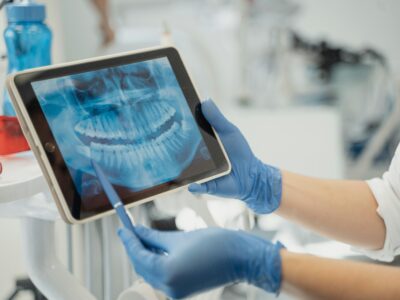
A damaged tooth has a way of taking over your attention. You notice it when you sip coffee, when you chew on one side to avoid discomfort, when you catch your reflection and see a dark crack line or a chipped edge that was not there before. Patients often describe the feeling the same way: the tooth may still be there, but it no longer feels trustworthy.
That is exactly where dental crowns tend to shine. When a tooth has lost strength, shape, or structure, a crown can restore far more than appearance. It can bring back function, protect what remains of the natural tooth, and often spare a patient from more extensive treatment later. For many people exploring Dental Crowns Oxnard CA, the appeal is not just cosmetic. It is practical, preventive, and long term.
In a coastal community like Oxnard, where people are active, social, and often balancing work, family, and health appointments, treatment options that solve both structural and aesthetic problems matter. A crown is one of the most dependable tools in restorative dentistry because it addresses the real issue, not just the visible symptom.
What makes a dental crown different from a simple filling
A filling repairs a portion of a tooth. A crown covers and protects the entire visible portion above the gumline. That difference is more important than it sounds.
When a cavity is small, or a chip is minor, a filling may be enough. But once a tooth has been weakened by decay, fracture, repeated dental work, or a root canal, patching one area can leave the rest of the tooth vulnerable. Think of an old wall with one repaired crack. If the surrounding structure is brittle, the repair may not hold up under normal pressure. Teeth work the same way.
A crown acts like a custom fitted protective shell. It is shaped to match your bite and neighboring teeth, and it absorbs the force of chewing in a way that helps preserve the tooth underneath. For a molar that handles heavy grinding, or a front tooth that needs both strength and precise appearance, that full coverage can be the difference between a lasting repair and a cycle of repeated fixes.
Dentists usually recommend crowns when they are thinking beyond the next few months. They are weighing how the tooth will perform one year, five years, sometimes ten years from now. That broader view is one reason crowns are often ideal for smile repair rather than just emergency patchwork.
Smile repair is not only about looks
People hear the phrase "smile repair" and often picture whitening or veneers. Those treatments have a place, but true smile repair goes deeper. It means restoring comfort, function, symmetry, and confidence all at once.
A cracked front tooth affects how a smile looks, but it can also affect speech and sensitivity. A worn down back tooth may be hidden from view, yet it can change the way the jaw closes and gradually shift stress onto surrounding teeth. Even one compromised tooth can create a chain reaction. Patients sometimes arrive focused on the single tooth they can see in photos, only to learn that their chewing pattern has changed because they have been unconsciously avoiding pressure in that area for months.
Crowns work well in smile repair because they solve multiple problems together. They can rebuild shape, support bite alignment, close visual gaps caused by wear, cover deep discoloration that will not respond to whitening, and reinforce weakened teeth at the same time. It is hard to find another single restoration that can do all of that as predictably.
Why Oxnard patients often benefit from crowns
Local lifestyle matters more than people think. In Oxnard, many residents lead busy, physically active lives. Some work outdoors in agriculture, construction, and service industries where hydration habits, stress, and inconsistent meal schedules can affect oral health. Others spend long days speaking with clients, teaching, or managing teams, where appearance and clear speech matter professionally. Crowns fit well into this environment because they are durable, versatile, and designed for everyday use.
There is also a practical side. Many patients delay treatment until a tooth becomes painful or visibly damaged. By then, the tooth may no longer be a candidate for a simple filling. A crown often becomes the conservative choice at that stage because it helps preserve the remaining tooth rather than risking a larger fracture that could lead to extraction.
Climate and habits play a role too. People who drink acidic beverages regularly, clench during stress, snack frequently, or have older dental work are more likely to experience tooth wear and breakdown over time. Crowns are frequently part of the answer when a tooth has reached that threshold where reinforcement is more sensible than repeated repair.
For patients researching Dental Crowns Oxnard CA, the main advantage is this: crowns are adaptable. They work for the front of the mouth, the back of the mouth, cosmetic concerns, structural failures, and teeth recovering from prior treatment.
When a crown is usually the right call
There is no single rule that applies to every tooth, but there are patterns dentists see over and over. A crown is commonly recommended when a tooth is too compromised to stay reliable with a smaller restoration.
Here are some of the most common situations:
- A tooth has a large cavity or filling, and too much natural structure is missing.
- A tooth has cracked, fractured, or become noticeably weak under chewing pressure.
- A tooth has had root canal treatment and needs protection from future breakage.
- A tooth is severely worn down, misshapen, or discolored in a way that affects the smile.
- A dental implant needs a final restoration that looks and functions like a natural tooth.
These cases are not cosmetic luxuries. They are everyday dental realities. In practice, one of the most common scenarios is a tooth with an old silver filling that has been in place for years. The filling may still be technically intact, but the surrounding tooth has developed fine fracture lines. A patient often feels intermittent pain when biting something firm, like toasted bread or almonds. Replacing that with another filling may not solve the problem. A crown often will.
The balance between strength and appearance
One reason crowns remain so popular is that modern materials have improved significantly. Years ago, patients often had to choose between something that looked good and something that held up well. That trade-off is much narrower now.
Porcelain and ceramic crowns can look remarkably natural, especially on front teeth where translucency and color matching matter. Zirconia is prized for its strength and is often chosen for molars or patients who grind their teeth. Porcelain fused to metal crowns still have a place in some cases, though they are less common in highly visible areas because they can sometimes show a dark line near the gums over time.
The best crown material depends on where the tooth sits, how hard the patient bites, whether they clench or grind, and what cosmetic result they expect. A front incisor in a patient with high smile visibility requires a different design strategy than a lower molar that absorbs heavy force every day.
This is where experience matters. A crown is not just a cap placed on a tooth. It is a custom restoration that has to respect gum tissue, bite dynamics, neighboring contacts, and facial aesthetics. When done well, it disappears into the smile. When done poorly, it feels bulky, catches floss, or looks flat and opaque. The quality of planning makes a noticeable difference.
Crowns can prevent a bigger problem later
A surprising number of patients see crowns as aggressive treatment, when in many cases they are Dental Crowns Oxnard CA Omni Dental Specialty actually the option that prevents more invasive care. The hesitation is understandable. If a tooth still exists, and pain is manageable, it can be tempting to postpone treatment. But teeth rarely fail in a neat or convenient way.
A cracked cusp can become a split tooth. A weakened tooth with a large filling can break below the gumline. A back tooth that could have been restored with a crown in a scheduled visit may become an emergency extraction after one hard bite at dinner. Those situations are not rare.
Dentists tend to think in terms of restorability. Can the tooth still be predictably saved? A crown is often recommended when the answer is yes, but only if the tooth is reinforced soon. Waiting can shrink those options quickly.
This matters for both health and cost. A timely crown may feel like a significant investment, yet it is usually far less disruptive than extraction, bone loss, implant treatment, or bridgework later. Patients who understand this often shift their perspective. They stop seeing the crown as an extra step and start seeing it as tooth preservation.
The process is more precise than many people expect
Most crown treatment follows a straightforward path, though details vary depending on the tooth and the technology used by the dental office. During the initial visit, the dentist evaluates the tooth, takes images if needed, removes damaged areas, and reshapes the tooth so the crown can fit securely. An impression or digital scan is then used to fabricate the final crown. A temporary crown is often placed while the permanent one is being made.
Patients are often surprised by how much bite and contour matter at delivery. When the final crown is seated, it is not enough for it to look acceptable. It has to feel balanced when you close, slide, and chew. Even a small high spot can make a tooth feel sore or "off." Good crown delivery appointments involve careful checking and precise adjustment, not simply cementing the restoration and sending the patient out the door.
Some offices offer same day crowns with in house digital scanning and milling. These can be convenient, especially for people with demanding schedules. That said, convenience should not be the only deciding factor. Some cases benefit from a skilled dental laboratory, particularly when shade matching and front tooth aesthetics are complex. Faster is not always better. Better fit, stronger margins, and natural appearance are the real goals.
Why crowns are especially effective after root canal treatment
If a tooth has had a root canal, the nerve inside has been removed, but that does not mean the job is finished. The tooth may no longer feel temperature pain the same way, yet it is often more brittle because of prior decay, access drilling, and loss of internal moisture over time.
This is one of the clearest cases where crowns prove their value. A root canal can eliminate infection, but a crown protects the tooth from fracture afterward. Without that protection, a heavily treated tooth may crack under normal function, especially if it is a molar.
Patients sometimes ask whether they can wait and see. On a small front tooth with minimal damage, maybe. On a back tooth that takes substantial chewing force, waiting is risky. If the tooth fractures vertically, the prognosis can change from salvageable to hopeless very quickly. In practical terms, the crown is often what turns root canal treatment into a long lasting success rather than a temporary reprieve.
A better smile often changes behavior
There is a psychological side to smile repair that is easy to underestimate. When a damaged or discolored tooth is restored properly, patients often report a shift that goes beyond the mirror. They stop covering their mouth when they laugh. They return to normal eating habits. They schedule cleanings more regularly because they feel invested in maintaining the result. They become less anxious in photos and face to face conversations.
That behavioral change matters. Dentistry works best when treatment encourages better long term habits. A crown on its own does not guarantee oral health, but it can become a turning point. A patient who finally restores a broken visible tooth often becomes more motivated to address grinding, wear, gum care, or neglected back teeth as well.
That is one reason smile repair should never be dismissed as vanity. The emotional relief of feeling normal again has real value, and it often improves follow through with broader dental care.
Not every tooth needs a crown, and that matters too
A good dentist does not place crowns simply because they are available. There are cases where a conservative filling, bonding, inlay, onlay, or veneer is more appropriate. Preserving natural tooth structure whenever possible remains the ideal.
For example, a small chip on a front tooth may be beautifully repaired with bonding. A medium sized cavity in a tooth with strong surrounding walls may do well with a filling. Some cosmetic concerns are better addressed with orthodontics or whitening first. Crowns are powerful, but they are not the answer to everything.
This is where patients benefit from a dentist who is willing to explain the trade-offs honestly. Crowns require reshaping the tooth, which means removing some healthy outer structure to create room for the restoration. That is justified when the tooth truly needs full coverage support. It is less justified when a more conservative option would perform just as well.
So when evaluating Dental Crowns Oxnard CA, look for a treatment philosophy that values judgment, not just production. The best crown cases are the ones where a crown is clearly the right choice, not simply the profitable one.
Fit, bite, and gum health matter as much as material
Patients often focus on what a crown is made of, but in everyday dentistry, the quality of fit is just as important. A crown can be fabricated from an excellent material and still fail early if the margin does not seal well, the contact is too loose, or the bite is off.
A well fitting crown should support healthy gums, resist leakage at the edges, and allow floss to pass with normal resistance. If it traps food constantly or feels oversized, that is not something patients should ignore. Minor adjustment may solve it, but the issue deserves attention.
There is also a bite relationship to consider. Teeth do not function in isolation. One crown that is too high can trigger soreness, jaw tension, or sensitivity in the opposing tooth. In patients who grind their teeth, that risk is even higher. Sometimes the real success of a crown depends not just on the restoration itself, but on pairing it with a night guard to protect the investment.
These are the details that separate acceptable dentistry from durable dentistry.
What longevity really looks like
Patients naturally ask how long a crown will last. The honest answer is that there is no universal number. Many crowns last well over a decade, and some last much longer. Others fail sooner because of decay at the margin, heavy grinding, poor home care, gum recession, or fracture of the underlying tooth.
Longevity depends on the intersection of material, technique, oral hygiene, and habits. A carefully made crown on a patient with excellent home care and no grinding may perform beautifully for many years. The same crown in a patient who chews ice, clenches at night, and skips preventive care may have a shorter life.
That does not make crowns unpredictable. It simply means they are part of a living system, not a static piece of hardware. The goal is not immortality. It is reliable service over a long span of normal use, with regular monitoring along the way.
Caring for a crown is simple, but it is not optional
Crowns do not decay, but the tooth underneath and around them still can. The margin where the crown meets natural tooth structure needs careful cleaning. Gum inflammation around a crown can shorten its life and make it look less natural.
A few habits make a real difference:
- Brush thoroughly along the gumline, especially where the crown meets the tooth.
- Floss daily and slide the floss carefully around the crown margins.
- Wear a night guard if you clench or grind while sleeping.
- Avoid using crowned teeth to crack ice, open packages, or bite very hard objects.
- Keep regular dental exams so small issues are caught before they become major repairs.
Patients sometimes assume that once a crown is cemented, the tooth is permanently "fixed." A better way to think about it is reinforced, not invincible. Good maintenance protects the work and the natural tooth supporting it.
Why crowns remain one of dentistry's most reliable solutions for smile repair
There is a reason crowns have remained central to restorative dentistry despite the rise of newer cosmetic options. They solve real structural problems while still delivering aesthetic improvement. They protect vulnerable teeth. They support normal chewing. They can rescue teeth that would otherwise keep breaking down. And when designed thoughtfully, they look completely at home in the smile.
For patients in Oxnard dealing with cracked teeth, old failing dental work, severe wear, or visible damage, crowns often offer the best mix of durability and natural appearance. They are not the smallest treatment, and they are not appropriate for every case. But when a tooth needs full coverage protection, a crown is often the treatment that makes the most sense clinically and practically.
The strongest argument for Dental Crowns Oxnard CA is not marketing language. It is what happens afterward. A patient bites comfortably again. The tooth stops commanding attention. The smile looks whole. And daily life, eating, speaking, laughing, goes back to feeling easy.
That is what good smile repair is supposed to do.
Omni Dental Specialty
1690 E Gonzales Rd
Oxnard, CA 93036, United States
Phone: +1 805-410-9603
FAQ About Dental Crowns Oxnard CA
What is the average cost of a crown in California?
The fee depends on the crown material, tooth condition and any additional treatment. Request an itemized estimate from Omni Dental Specialty after an examination, and confirm insurance benefits before scheduling.
How long do dental crowns last?
Longevity varies with the material, fit, oral hygiene and biting habits. Regular dental reviews help identify wear, damage or decay. A crown does not need replacement solely because it reaches a particular age.
Do teeth go bad under crowns?
Decay can develop in the remaining natural tooth, particularly near the crown margin. Brush with fluoride toothpaste, clean between teeth daily and keep dental appointments. Report new pain or looseness promptly.
Which crown is best for bruxism?
No material suits everyone. Your dentist assesses grinding, tooth position, bite forces and appearance before recommending a crown. A protective appliance may also be recommended to manage stress on the restoration.